 By
By 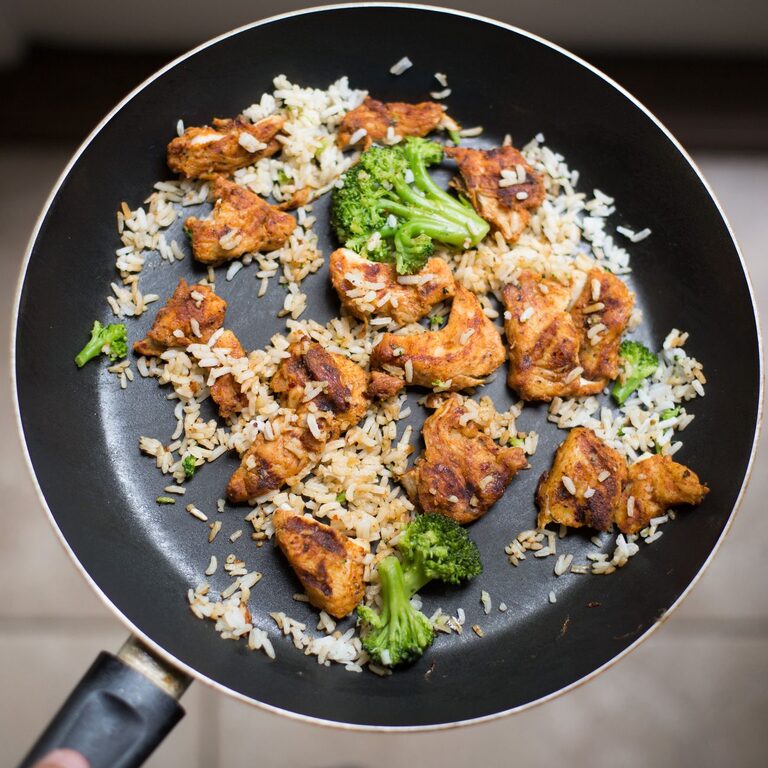
Making dinner is often the highlight of the day, but cleaning up afterward can feel like a daunting chore. Fortunately, with a few mindful habits and smart strategies, you can cut down the time and effort spent on post-dinner cleanup. Whether you live alone, share tasks with family, or entertain guests frequently, these tips will help you enjoy your meal and get your kitchen tidy with less hassle.
Plan Ahead: Set the Stage for Easy Cleanup
Use Minimal Cookware and Utensils
One of the easiest ways to reduce cleanup is to limit the number of pots, pans, and dishes you use while cooking. Try to prepare meals that can be cooked in one or two skillets or pots. For example, sheet-pan dinners or skillet-stir fries keep everything in one place, so you don’t have to wash multiple items.
Choose Simple Recipes
Picking recipes with fewer ingredients or steps can also reduce mess. Meals that don’t require chopping many vegetables, multiple bowls for mixing, or several pots will save you time washing dishes later.
Prep Ingredients Wisely
Prepare ingredients in a dedicated area to avoid spreading bits of food all over your kitchen counters. Using a cutting board with a groove can help catch juices and avoid spills that require extra wiping.
During Dinner: Smart Habits to Cut Cleanup Time
Clean as You Go
Rather than letting dishes pile up, wash cutting boards, knives, and prep bowls while your food simmers or bakes. This habit prevents an overwhelming pile of dirty dishes at the end.
Use Serving Dishes Strategically
Instead of transferring food into multiple serving bowls that need washing, serve meals directly from the cookware when possible. This eliminates extra dishes and keeps the cleanup simple.
Encourage Everyone to Pitch In
If you eat with family or friends, involve them in clearing the table or rinsing plates. Sharing the workload makes cleanup faster and more enjoyable.
After Dinner: Efficient Cleanup Techniques
Soak Pots and Pans Immediately
Fill greasy or burnt pots with hot water and a little dish soap right after dinner. This softens stuck-on food and makes scrubbing easier later.
Use a Dishwasher Effectively
If you have a dishwasher, scrape off leftovers before loading but don’t bother pre-rinsing extensively, as many modern dishwashers clean better with some residue. Also, load the dishwasher while you cook to save time afterward.
Wipe Surfaces Promptly
Clean kitchen counters, stove tops, and the dining table right after eating. Quick wiping prevents stains from setting and keeps your kitchen looking tidy.
Organize Your Kitchen for Faster Cleanup
Keep Cleaning Supplies Handy
Store sponges, dish soap, and towels close to the sink. Having everything ready to use encourages immediate cleanup, preventing messes from piling up.
Designate a Cleaning Zone
Create a space in your kitchen dedicated to washing, drying, and stacking dishes. A well-organized area helps speed up the process and keeps things from getting cluttered.
Use Containers for Leftovers
Have airtight containers accessible to transfer leftovers quickly. This prevents food from being left on plates and counters, which can attract pests or cause odors.
Bonus Tips for a Smoother Cleanup Routine
– Line Baking Sheets: Use parchment paper or silicone mats when baking to avoid scrubbing stuck-on food.
– Invest in Multipurpose Tools: Tools like a good vegetable peeler or a silicone spatula can make prep and cleanup easier.
– Set a Timer: Challenge yourself to finish cleanup within a set timeframe. This can motivate you to stay focused.
Conclusion
Dinner cleanup doesn’t have to be a tiresome task. By planning ahead, adopting smart habits during your meal, and keeping your kitchen organized, you can drastically reduce the time and stress involved. Small changes add up over time, making your kitchen a more pleasant and functional space for cooking and enjoying meals. Try these ideas and see how much easier dinner cleanup can become!